
Travel SmarterDecember 4, 2025
The Busy Professional's Guide to Stress-Free Adventure Travel in 2026

As a busy professional, you may have found yourself staring at your vacation days thinking, "I need an adventure, but who has time to plan one?" After years of helping professionals step away from work well, I've found that the real challenge is rarely the number of days. It's how efficiently those days are used.
Adventure travel does not have to leave you more tired than when you started. Done well, it can reset your mind, body, and creative energy. The key is structuring the trip so it feels restorative rather than complicated.
The Art of Strategic Time Maximization
One of the most useful strategies is to combine your vacation days with existing time off. A single Friday off can turn into a 4-day adventure. An extended weekend in the Colorado Rockies or a coastal Maine escape can go a long way.
If even that feels difficult to manage, micro-travel is often the right answer for time-starved professionals. A 48-hour nature retreat just two hours from your city can be as restorative as a week-long trip. I've seen clients return from weekend hiking trips in nearby national parks feeling recharged and ready to tackle Monday with a fresh perspective.
The key is starting your planning 2-3 months ahead. That gives you the best flight deals and accommodation options, and it also means less last-minute scrambling. I also encourage clients to stay flexible with dates. Traveling mid-week instead of on weekends can save you hundreds while giving you a quieter experience.
Choosing Your Perfect Escape
Location matters, though not always in the way people assume. The best adventure destinations for busy professionals are often the ones closest to home. If you can avoid spending 12 hours in transit, you have more time to actually enjoy the trip.
I often recommend what I think of as "proximity adventures." If you live on the East Coast, the Adirondacks offer excellent hiking, while West Coasters have the Sierra Nevada close at hand. You arrive refreshed instead of jet-lagged, and you get more usable time on the ground.
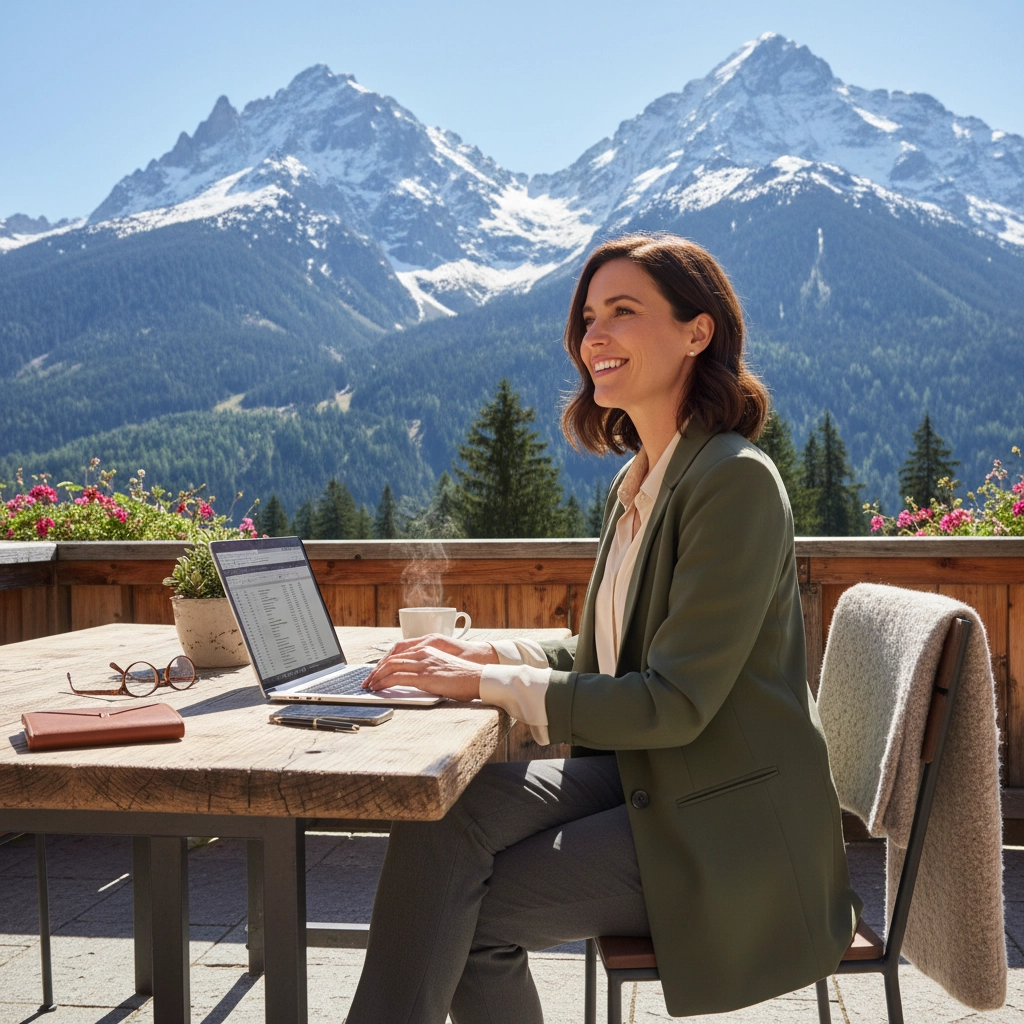
If your company allows remote work, that creates another option. I've helped clients set up "work-ventures" in places like Asheville, North Carolina, or Park City, Utah; destinations with reliable wifi, inspiring landscapes, and plenty of after-work adventure options. You handle your responsibilities during the day, then head out on the trails at 5 PM. It is one of the more practical ways to build travel into a busy schedule.
For those with existing business travel, another practical approach is to extend the trip by a few days. I call this "bleisure travel," and it has become increasingly popular. That conference in Denver can also be a chance to explore Rocky Mountain National Park afterward.
Accommodations That Actually Help You Relax
This is where many people make the trip harder than it needs to be. They book the cheapest place and end up managing every other detail themselves. I usually recommend accommodations that remove friction, such as mountain lodges with on-site restaurants, spa services, and adventure concierges who can arrange activities.
When I'm selecting places for clients, I look for what I think of as "full-service relaxation." These are properties where you can get good coffee in the morning, book a massage between outings, and have dinner without leaving the premises. Less planning on the ground usually means a more restful trip.
It is also worth looking for small comforts that make a real difference: heated outdoor pools for after a hike, private balconies with mountain views for morning coffee, or fire pits where you can wind down in the evening. Those details often shape how restorative the trip actually feels.
Adventures That Actually Refresh You
Adventure travel can measurably reduce stress and support creativity. Even 20 minutes in nature can lower stress hormones. You do not need to climb Everest to get the benefit.
I often recommend what I call "accessible adventures": activities that offer a sense of movement and connection to nature without requiring extreme fitness or technical skill. Think scenic gondola rides with hiking at the top, gentle whitewater rafting, or guided wildlife photography walks. These experiences keep the trip active while still feeling manageable.
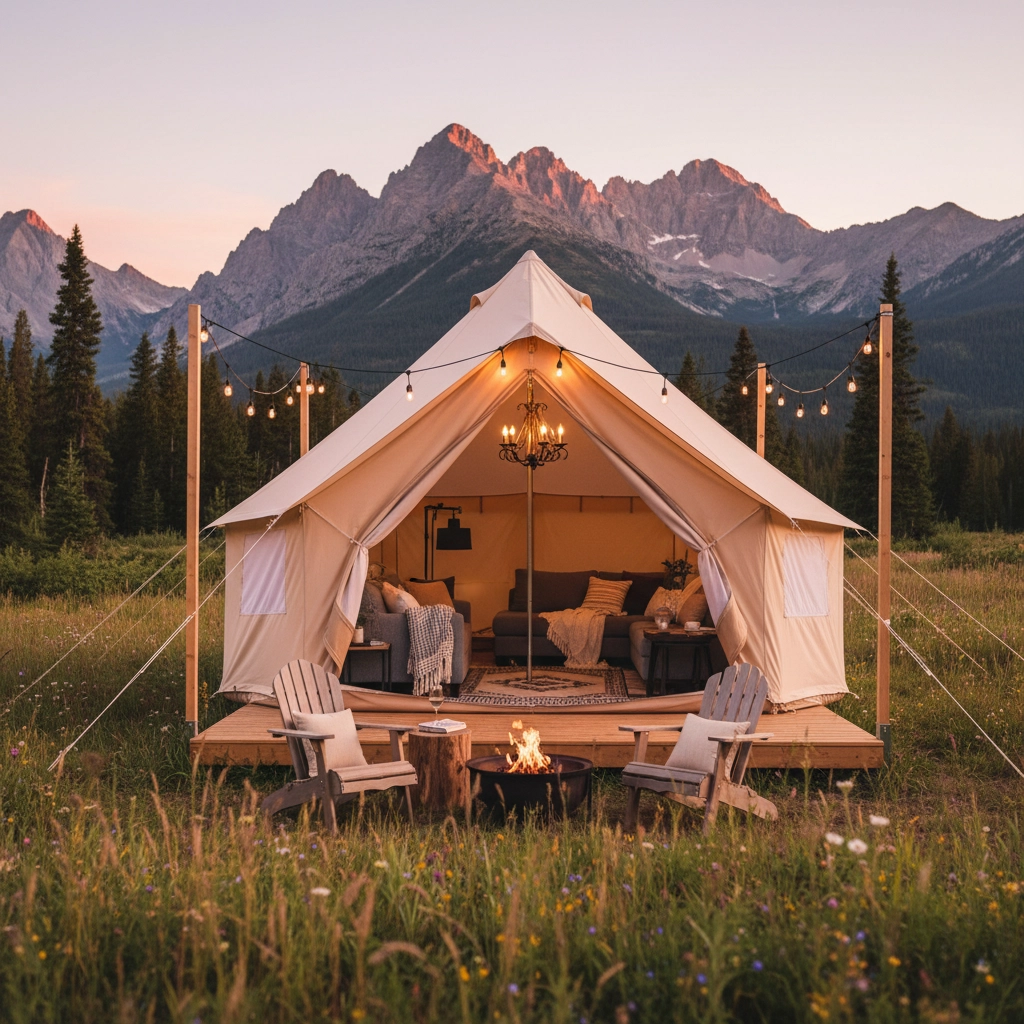
The outdoor travel space has become much more flexible in recent years. Glamping resorts now offer luxury tents with king beds and private bathrooms while still keeping you close to nature. High-tech gear rentals mean you can try activities like stand-up paddleboarding or mountain biking without committing to the equipment. Sustainable tour operators are also creating thoughtful experiences that connect travelers with local communities and landscapes.
One of my favorite trip rhythms is a morning hike followed by a slower afternoon. You can be out on the trail early, then spend the rest of the day reading by a lake or exploring a mountain town. That balance often works better than trying to fill every hour.
The Power of Intentional Planning
The biggest mistake I see busy professionals make is over-scheduling their getaways. The goal is not to see everything. The goal is to disconnect and recharge.
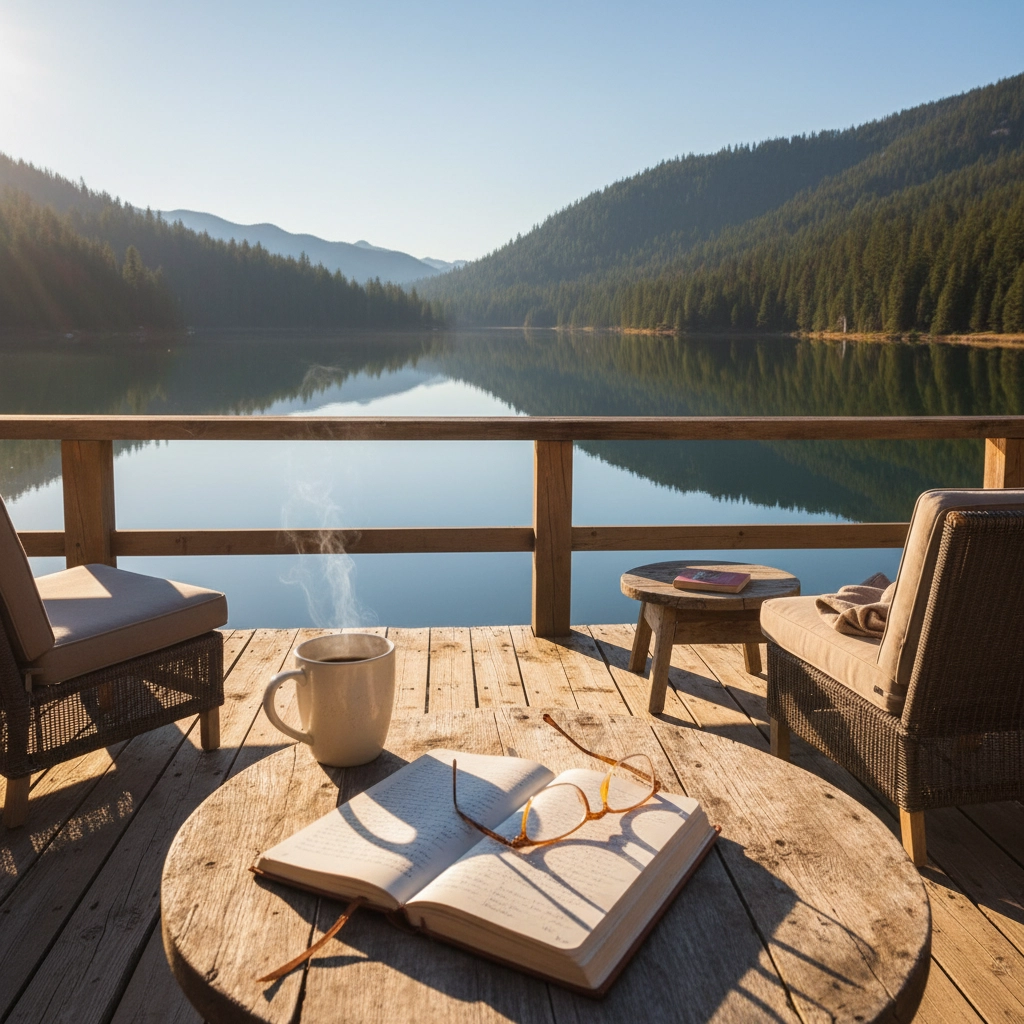
I encourage clients to build in what I call "breathing room." That might be a morning to sleep in and have coffee on a cabin deck, or an afternoon to wander through a local farmers market without an agenda. Those unstructured stretches often become the most memorable parts of the trip.
It also helps to schedule specific self-care activities. Book the massage, plan quiet time for journaling, or set aside phone-free hours for reflection. Busy professionals rarely prioritize those things at home, but they are often what make a trip feel genuinely restorative.
Embracing Sustainable Adventure
Sustainability is not just a trend. In many cases, it is simply a better way to travel. Eco-friendly accommodations often provide more peaceful, grounded experiences. Local businesses can offer a level of personal service that big chains usually cannot. Low-impact activities also tend to connect you more directly with a destination.
I like helping clients find these options because they often align with the values people already hold, and they can lead to more meaningful trips. A locally owned mountain lodge, for example, often comes with the kind of insider knowledge that leads you to hidden trails and lesser-known viewpoints.
The Professional Benefits You Didn't Expect
One of the more interesting outcomes is that adventure travel does not just help you relax. It can also make you better at your job. The problem-solving skills you use on the trail often translate directly to workplace challenges. The confidence you build reaching a scenic summit can carry into your next big presentation.
There is also something useful about changing your environment completely. It often creates fresh perspective. I've had many clients return from adventure trips with solutions to problems they had been stuck on for months.
Adventure travel can also support the kind of work-life balance that helps prevent burnout. When you have a well-timed trip ahead, work stress often feels more manageable. And when you return genuinely refreshed, you are usually more productive and engaged.
Stress-free adventure travel is not about having unlimited time or money. It is about being strategic with what you have. Focus on nearby destinations, choose accommodations that simplify the experience, embrace activities that actually refresh you, and leave room for spontaneous moments.
If you'd like help planning a trip like this, you can start here:
Let's talk about making it happen